



2026-11-03 16:55:01
On the occasion of World One Health Day – 3 November
Vu Thi Phuong, National OH Coordinator, OHPS
Viet Nam is among the pioneering countries in advancing the One Health approach, with more than two decades of experience in building and strengthening multisectoral cooperation mechanisms. Today, Viet Nam’s One Health agenda has moved beyond the initial stages of awareness-raising and partnership-building towards a new phase of governance, implementation and integration into national policies, programmes and development initiatives.
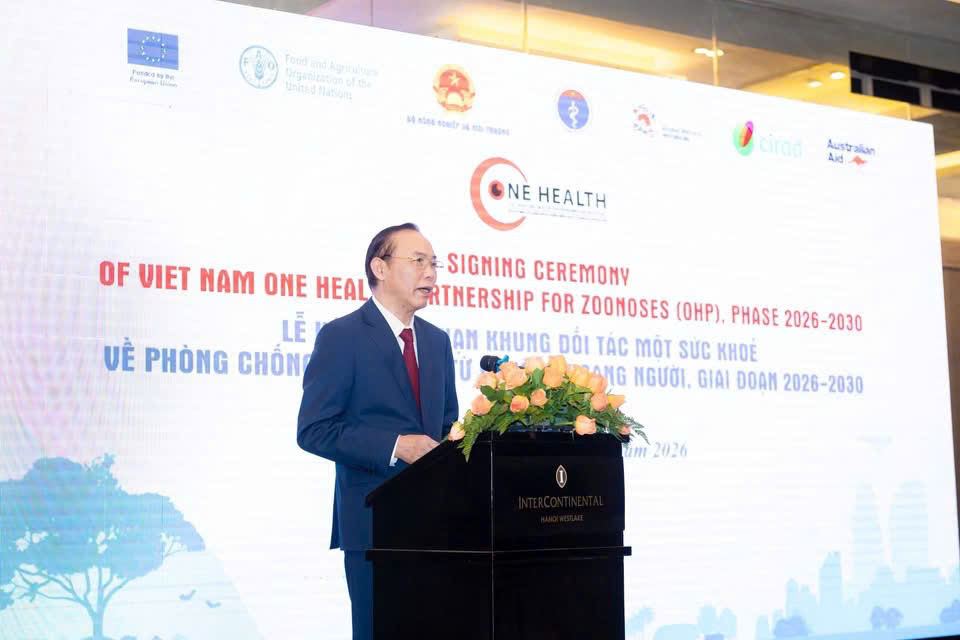
Viet Nam’s progress lies not only in its early adoption of the One Health approach, but, more importantly, in its establishment of a nationally owned and government-led partnership mechanism that connects government agencies, local authorities, domestic and international partners to work towards shared objectives.
Evolving from the Partnership for Avian and Human Influenza (PAHI), established in 2003, Viet Nam formally developed this mechanism into the One Health Partnership for Zoonotic Diseases (OHP) in 2016.
Co-chaired by the Ministry of Agriculture and Environment (MAE) and the Ministry of Health (MOH), OHP has become a national multisectoral cooperation platform, bringing together government agencies, local authorities, research institutes, universities, civil society organisations, development partners and international organisations.
A significant milestone in OHP’s development has been the transformation of its cooperation model. During 2016–2020, One Health activities were primarily promoted and sustained through programmes, projects and support from development partners. Since 2020, however, the partnership mechanism has been increasingly strengthened towards a more sustainable model, firmly embedded in the government system.
OHP has progressively evolved into a regular sectoral cooperation mechanism between its two co-chairing ministries. Its Secretariat is staffed by government officials who are directly involved in coordinating and managing the partnership’s day-to-day operations. As a result, cooperation is no longer primarily dependent on the lifespan of individual projects or the availability of specific funding sources. Instead, it is sustained through institutional focal points, government personnel and established coordination arrangements.
This represents a fundamental shift: from a project-based cooperation model towards a government-led mechanism that is regularly operated and maintained by the Government, while partners continue to play an essential role in providing technical expertise, mobilising resources and translating commitments into action.
The model provides an open framework for commitment and cooperation, in which the Government provides strategic direction, leadership and coordination, while partners proactively contribute their expertise, experience and resources. Through this mechanism, national, regional and international commitments are connected with Viet Nam’s priorities and practical needs.
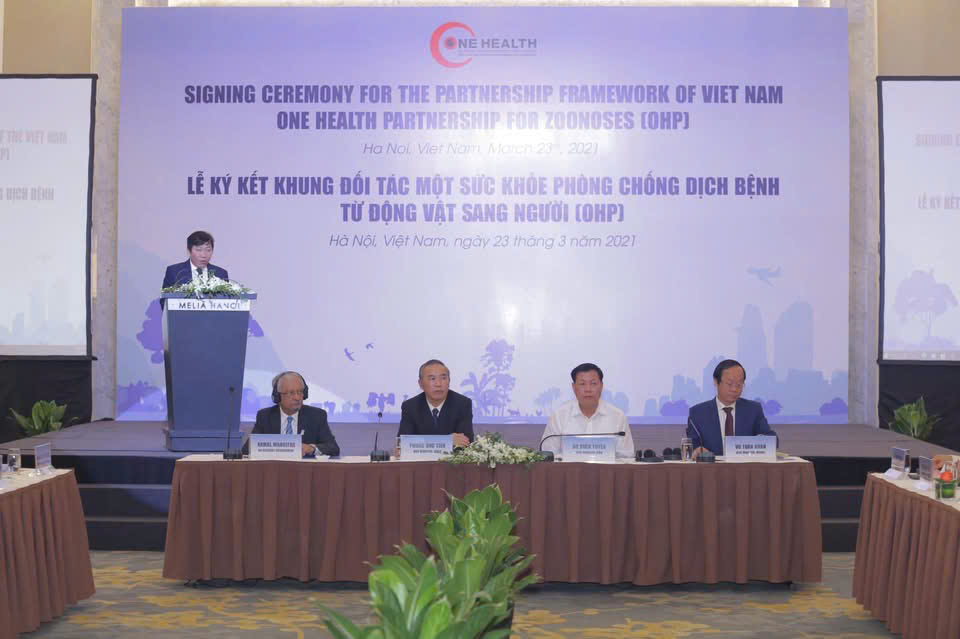
This is the essence of Government Ownership: the Government does not necessarily implement every One Health activity itself, but establishes a sustainable mechanism to provide direction, connect stakeholders, coordinate efforts and ensure that resources contribute to national priorities.
An important milestone in OHP’s development was Viet Nam’s early formulation and implementation of Joint One Health Master Plans for the periods 2016–2020 and 2021–2025, preceding the launch of the global One Health Joint Plan of Action by FAO, WHO, WOAH and UNEP in 2022.
These plans serve as important instruments for translating political commitments into concrete actions; aligning sectoral strategies and plans; defining the roles and responsibilities of stakeholders; and providing a basis for mobilising, coordinating and effectively utilising domestic and international resources.
Viet Nam’s experience offers valuable practical lessons for other countries in developing and implementing their own One Health plans.
Importantly, the core orientations of these earlier plans remain relevant to the 2026–2030 period, ensuring continuity and consistency in the development of the national partnership framework.
Viet Nam’s experience should be viewed in the broader context of One Health development at regional and global levels.
Within ASEAN, One Health cooperation was initially advanced through the area of antimicrobial resistance (AMR), including the 2017 ASEAN Leaders’ Declaration on Combating Antimicrobial Resistance through a One Health Approach and the ASEAN Strategic Framework to Combat AMR through the One Health Approach 2019–2030.
A further significant step was the ASEAN Leaders’ Declaration on One Health Initiative, adopted at the 42nd ASEAN Summit in Indonesia in May 2023. Subsequently, the ASEAN One Health Network (AOHN) and the ASEAN One Health Joint Plan of Action (ASEAN OH-JPA) were officially launched in June 2024.
Thus, before ASEAN established a comprehensive regional One Health framework, Viet Nam had already developed its OHP platform in 2016, formulated multisectoral master plans and established a national coordination mechanism co-chaired by two ministries.
This experience represents both an advantage and a responsibility for Viet Nam to contribute practical lessons in national ownership, multisectoral coordination, joint planning, resource mobilisation and the linkage between local implementation and national policymaking.
Viet Nam is not only participating in the implementation of ASEAN and international One Health commitments, but can also contribute its governance experience and practical models to the development of One Health across the region.
While previous phases focused on establishing institutions, cooperation mechanisms and action plans, the 2026–2030 period marks a transition towards integrated One Health governance and more substantive implementation.
One Health should no longer be confined to the prevention and control of zoonotic diseases. It needs to be mainstreamed across interconnected areas involving human, animal, plant and ecosystem health, including:
During 2021–2025, according to OHP’s consolidated records, the partnership connected and mobilised more than 100 One Health initiatives, programmes and projects, approximately three times the number recorded during 2016–2020. The scope of support also expanded beyond the health sector to encompass agriculture, veterinary services, environment, biodiversity and other related areas.
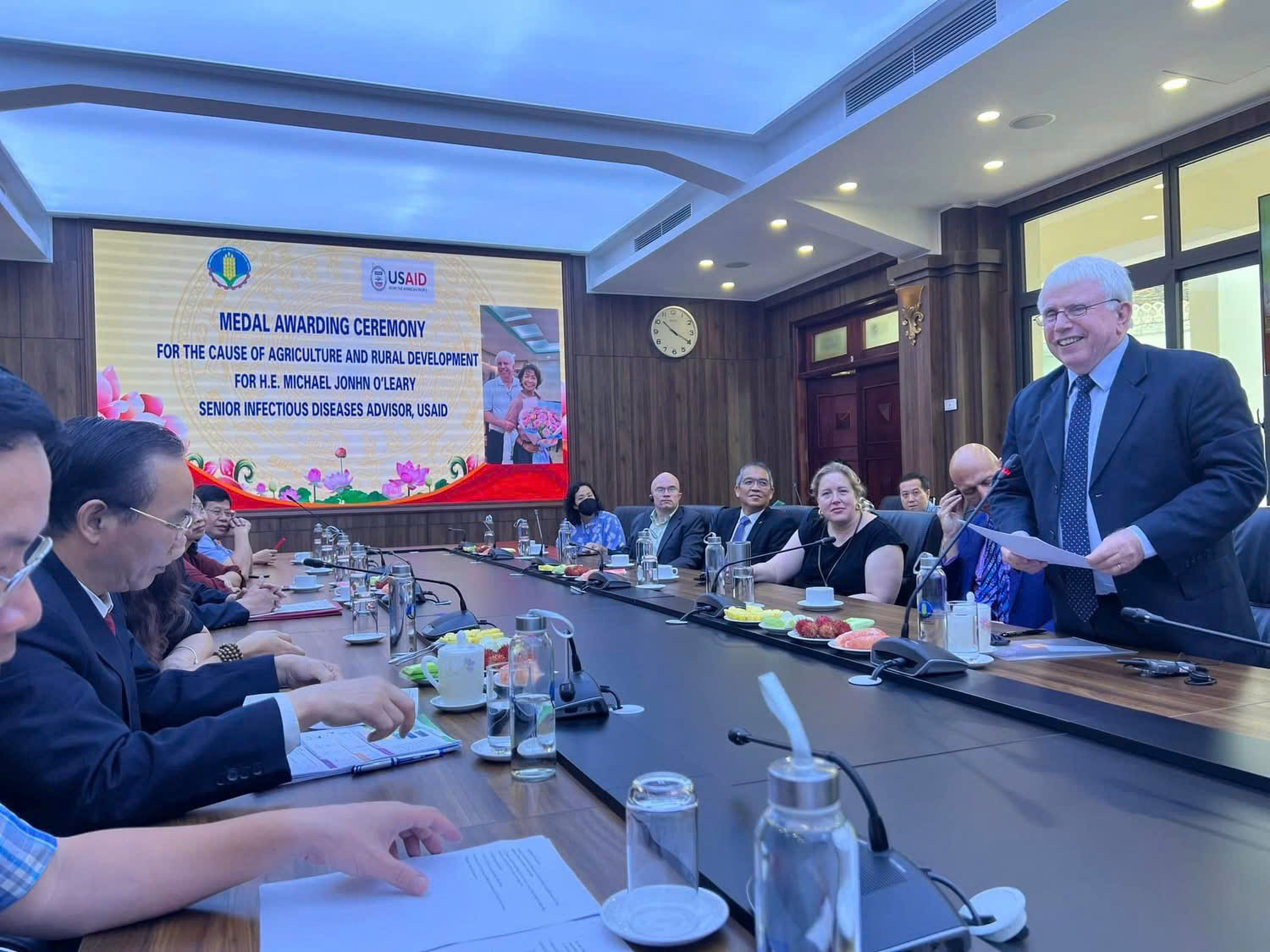
This demonstrates the national partnership mechanism’s capacity to mobilise resources and expand cooperation across sectors.
For 2026–2030, this foundation needs to be further strengthened, enabling both OHP members and organisations beyond the formal partnership to actively use the OHP platform to connect, mobilise resources and implement One Health programmes, projects and initiatives at the local level.
One Health can only deliver meaningful results when evidence and outcomes from the field are connected to national coordination mechanisms and translated into inputs for policymaking.
Through its multisectoral Technical Working Groups (TWGs), research findings, implementation experiences, challenges and local needs can be consolidated, analysed and brought to the attention of government authorities.
These groups serve as a bridge connecting scientists, technical experts, policymakers and development partners, with the aim of:
This creates a continuous cycle of connection: Field Implementation – National Coordination – Policy and Resources – Regional and Global Cooperation – Renewed Support for Local Action.
It also provides a channel through which Viet Nam’s experience can contribute to ASEAN and international cooperation platforms.
A key priority for the coming period is to strengthen awareness and shared responsibility among all stakeholders. One Health remains a relatively new approach for many agencies, organisations and communities. Continued communication, multisectoral engagement and the expansion of practical models at the local level are therefore essential.
In particular, domestic and international partners implementing One Health programmes and projects at the local level are encouraged to proactively connect with relevant government focal points and share their plans, activities and results through the OHP Secretariat.
This is not intended to create additional administrative procedures or restrict partners’ initiative. Rather, it enables the Government and relevant technical agencies to maintain an overview of ongoing activities, consolidate resources, avoid duplication, identify gaps and address institutional, policy and implementation bottlenecks in a timely manner.
The Government has established the national partnership framework and coordination mechanism; partners are encouraged to actively use, contribute to and strengthen this platform. This is both a shared responsibility and a practical benefit for all stakeholders.
More than two decades of development have enabled Viet Nam to establish a national partnership framework, multisectoral action plans, a multi-stakeholder coordination mechanism and a broad network of domestic and international partners.
This provides a strong foundation for Viet Nam’s One Health agenda to enter a new phase of development: from partnership to integrated governance; from commitments to implementation; from isolated initiatives to connected programmes; from field-level results to policy evidence; and from national experience to regional and global contributions.
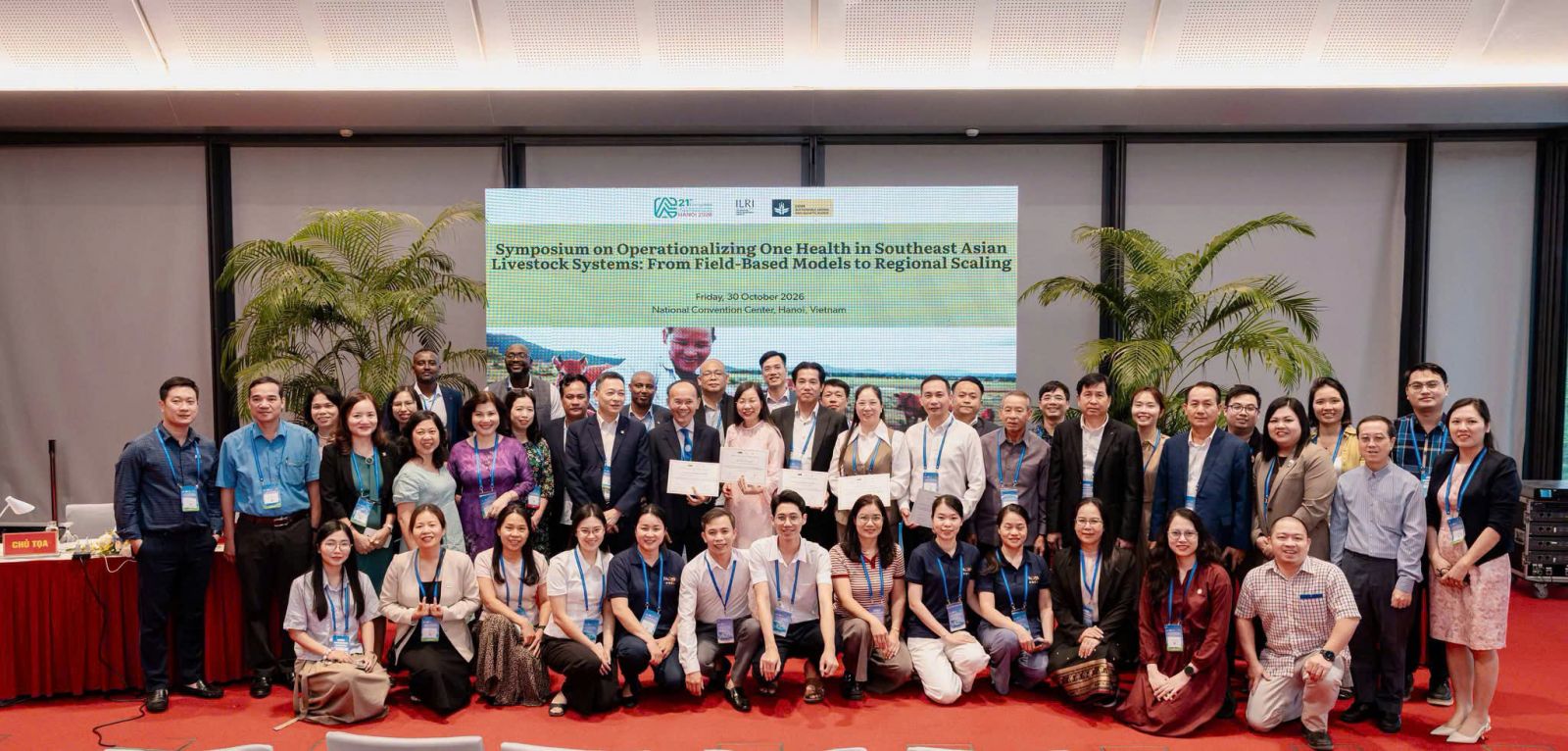
On the occasion of World One Health Day, 3 November, the message is clear: One Health does not belong to any single ministry, sector, organisation or project. It is a shared responsibility and a common interest of the Government, development partners, the scientific community, the private sector, local authorities and society as a whole.
From commitment to action; from partnership to governance; from the field to policy; from national experience to regional and global contributions – working together for the health of people, animals, plants and ecosystems.
ONE HEALTH – ONE SHARED FUTURE.