


2026-09-21 23:15:19
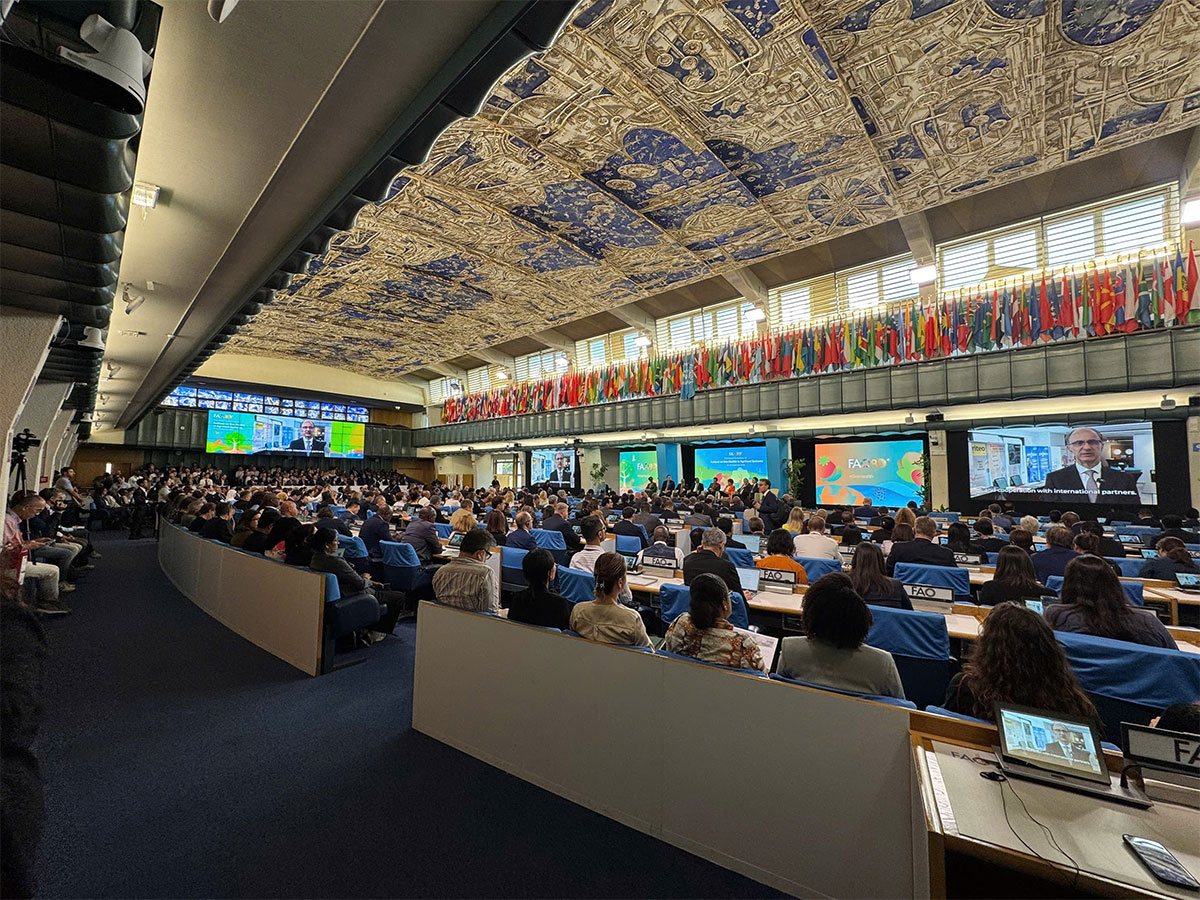
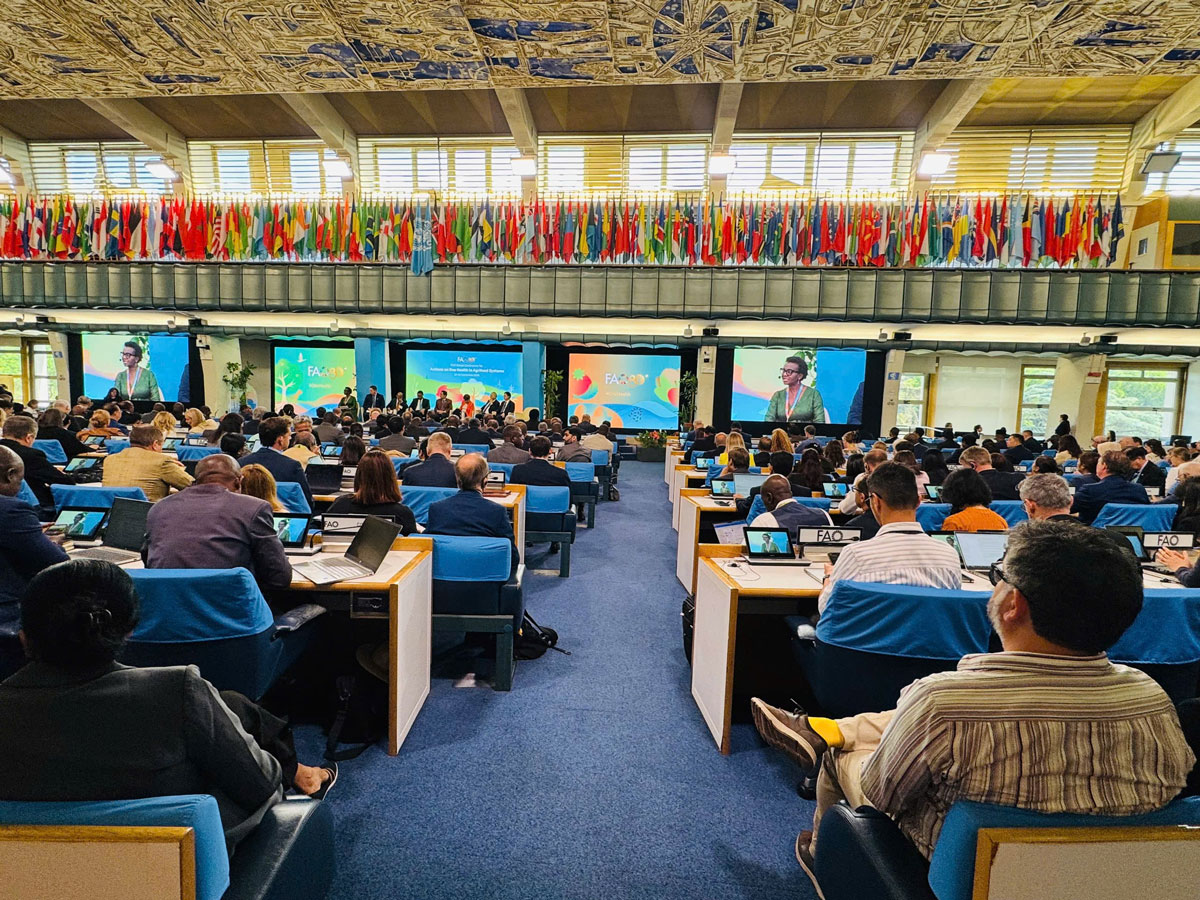
Rome, Italy – 21 September 2026. “One Health in Agrifood Systems is everyone’s health, everyone’s responsibility and everyone’s action” – “One Health in Agrifood Systems is the health, responsibility and action of everyone” is the overarching message of the Global Conference on Actions for One Health in Agrifood Systems, organized by the Food and Agriculture Organization of the United Nations (FAO) in Rome, Italy, from 21–23 September 2026. The Conference brings together leaders, ministers, experts, scientists, representatives of businesses and international organizations, communities and youth from nearly 160 countries, with close to 1,000 participants, with the aim of translating One Health commitments from policy dialogue into concrete action on the ground.
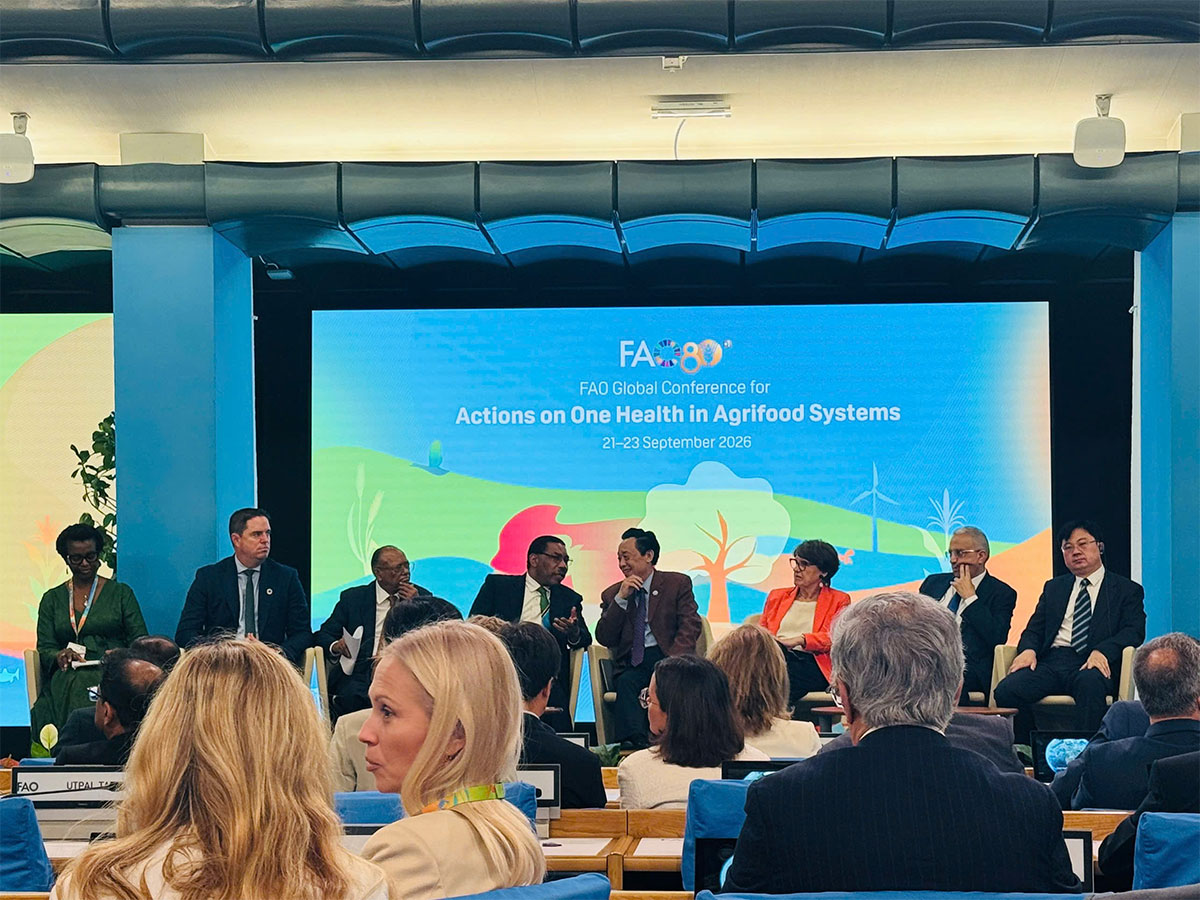
At the Conference, One Health is no longer viewed solely through the lens of preventing and controlling infectious diseases or zoonotic diseases. The message strongly emphasized is that the health of people, animals, plants and ecosystems is closely interconnected, and that health risks can originate from multiple factors across the entire agrifood system, ranging from soil, water, crops, livestock, forests, fisheries and biodiversity to food safety, nutrition, climate change and the environment.
FAO identifies agrifood systems as facing multiple unprecedented pressures simultaneously, including climate change, biodiversity loss, emerging and re-emerging diseases, pandemics, antimicrobial resistance, food safety risks, environmental degradation, and disruptions to trade, markets and supply chains. In this context, One Health is seen as an approach that enables countries to proactively prevent risks, rather than merely reacting after a crisis has already occurred.
In his opening remarks, FAO Director-General QU Dongyu emphasized the need to move from awareness and commitments to action. According to FAO's approach, One Health must become part of policymaking, investment, risk management and production systems, rather than being treated as a standalone programme or initiative. FAO also highlighted four fundamental elements for translating One Health into action: communication, coordination, collaboration and capacity building, while continuously monitoring, evaluating and adapting actions to ensure that they generate tangible impact.
This direction is aligned with the FAO Strategic Framework 2021–2030, in which One Health is linked to the goals of “Better Production, Better Nutrition, a Better Environment, a Better Life”, leaving no one behind. In 2024, the FAO Committee on Agriculture called for the development and implementation of a Global Framework on One Health in Agrifood Systems, with the aim of providing practical guidance for countries’ policies, investments and programmes.
“Interconnected Problems Cannot Be Solved through Separate Institutions”
One of the key messages emerging from the opening session was the need to break away from sectoral and siloed thinking. From the perspective of the European Food Safety Authority (EFSA), issues such as avian influenza, emerging diseases, soil degradation, wildfires, pollinator decline, drought and climate change ultimately converge at one common point: food.
Food is not simply the final product that reaches consumers. It is where human health, animal health, plant health and ecosystem health intersect, while also being closely connected to the culture, history, livelihoods, economy and identity of each community. Therefore, one of the messages emerging from the Conference is that interconnected problems cannot be addressed through fragmented institutions and approaches.
In Europe, EFSA is promoting cooperation among EU agencies under a One Health approach, with the aim of connecting science, risk assessment and policymaking. The ultimate goal is to create a chain linking better science – better advice – better decisions – better impact.
This perspective was also clearly reflected in the statements of leaders from several countries. Serbia emphasized that human health does not begin in hospitals or clinics, but starts with safe food, healthy animals, clean water, a protected environment and the ability to identify risks at an early stage. Ireland stressed the need to bring health, agriculture, environment and food policy together within a common framework for action, while strengthening coordination among international standard-setting bodies such as Codex, WOAH, IPPC and the WTO in relevant areas.
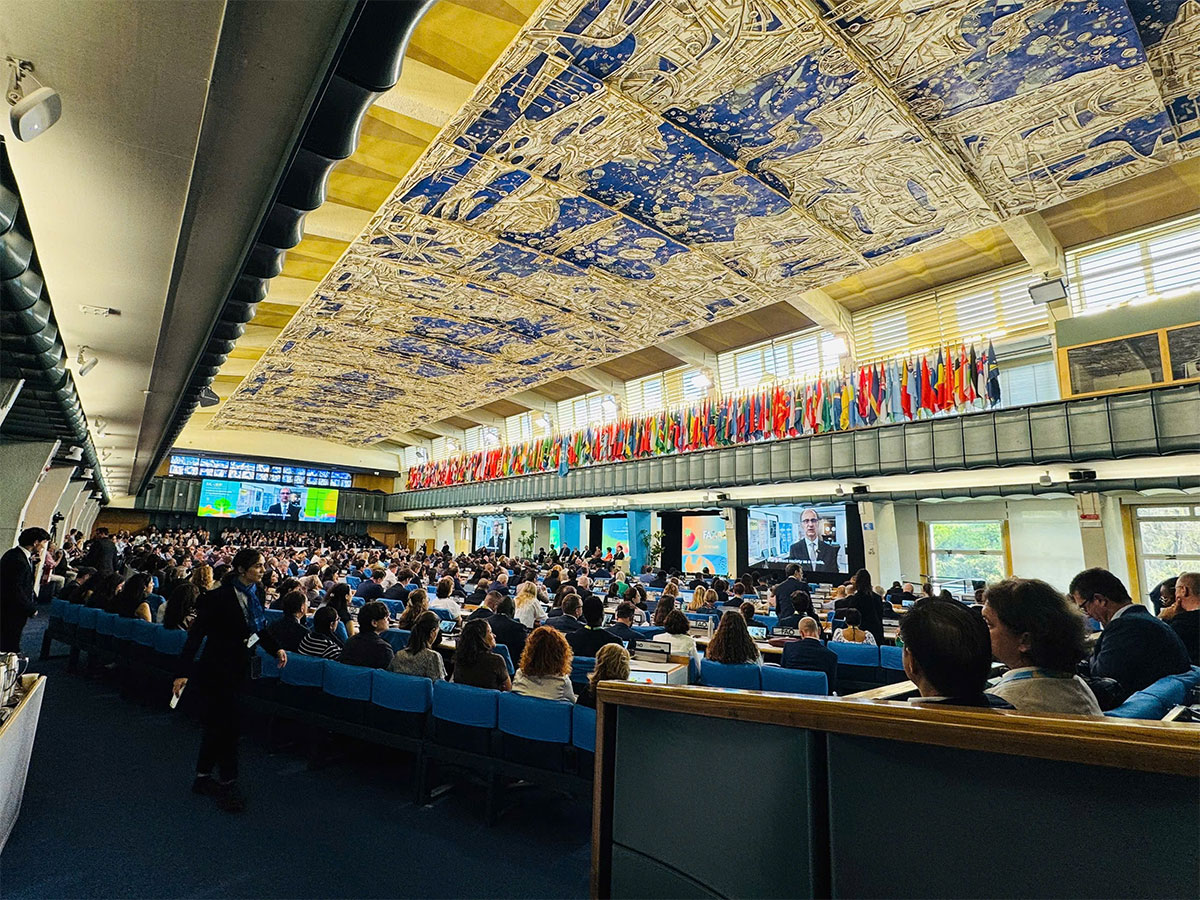
A notable feature of the Conference is that One Health is increasingly being shaped as a system-transformative framework for action, rather than simply a mechanism for coordinating existing programmes.
The message emphasized the need for five major shifts: from individual sectoral commitments to shared outcomes; from response to prevention; from collaboration as an aspiration to institutionalized collaboration; from generating evidence to using evidence for decision-making; and from pilots to system-wide transformation.
This also means that One Health does not necessarily have to begin with the creation of entirely new mechanisms or sources of funding. One proposed approach is to integrate One Health into existing resources, budgets, plans and governance mechanisms, while ensuring that sectors work towards common objectives and jointly measure results.
FAO can play a supporting role through science, standards, tools, data, coordination and investment mobilization, but One Health ultimately belongs to countries, communities, farmers, businesses, civil society organizations and everyone involved in agrifood systems.
One example discussed at the Conference was the way countries can work together through international financing mechanisms and programmes, in which ministries, sectors and organizations not only implement actions together, but also plan together, make decisions together and share responsibility for results. This represents a shift from “coordinating when a problem arises” to joint risk governance. In practice, the Viet Nam One Health Partnership Framework has been applying this approach to multisectoral management and coordination over the years.
A notable feature of this Conference is the significant expansion of the scope of One Health into areas that have traditionally been considered separately.
During the opening session, experts addressed soil health, plant health, forest biosecurity, sustainable livestock transformation, fisheries, animal welfare, food safety and the microbial world. FAO also introduced new initiatives and tools to support countries in translating One Health into practice, including the One Health Intelligence and Knowledge Hub, the Integrated Biosecurity Index Self-Assessment Tool and the Guide to Forest Biosecurity.
On the topic of the “invisible microbial world,” scientists at the Conference emphasized that microorganisms are present everywhere and connect ecosystems, living organisms and the environment. Microorganisms can cause disease and contribute to the spread of antimicrobial resistance, but they can also become part of the solution, for example by improving soil health, strengthening ecosystem resilience and reducing dependence on chemicals.
The message is clear: One Health must look beyond what is happening in hospitals, farms or laboratories and consider the entire system and the invisible connections behind it.
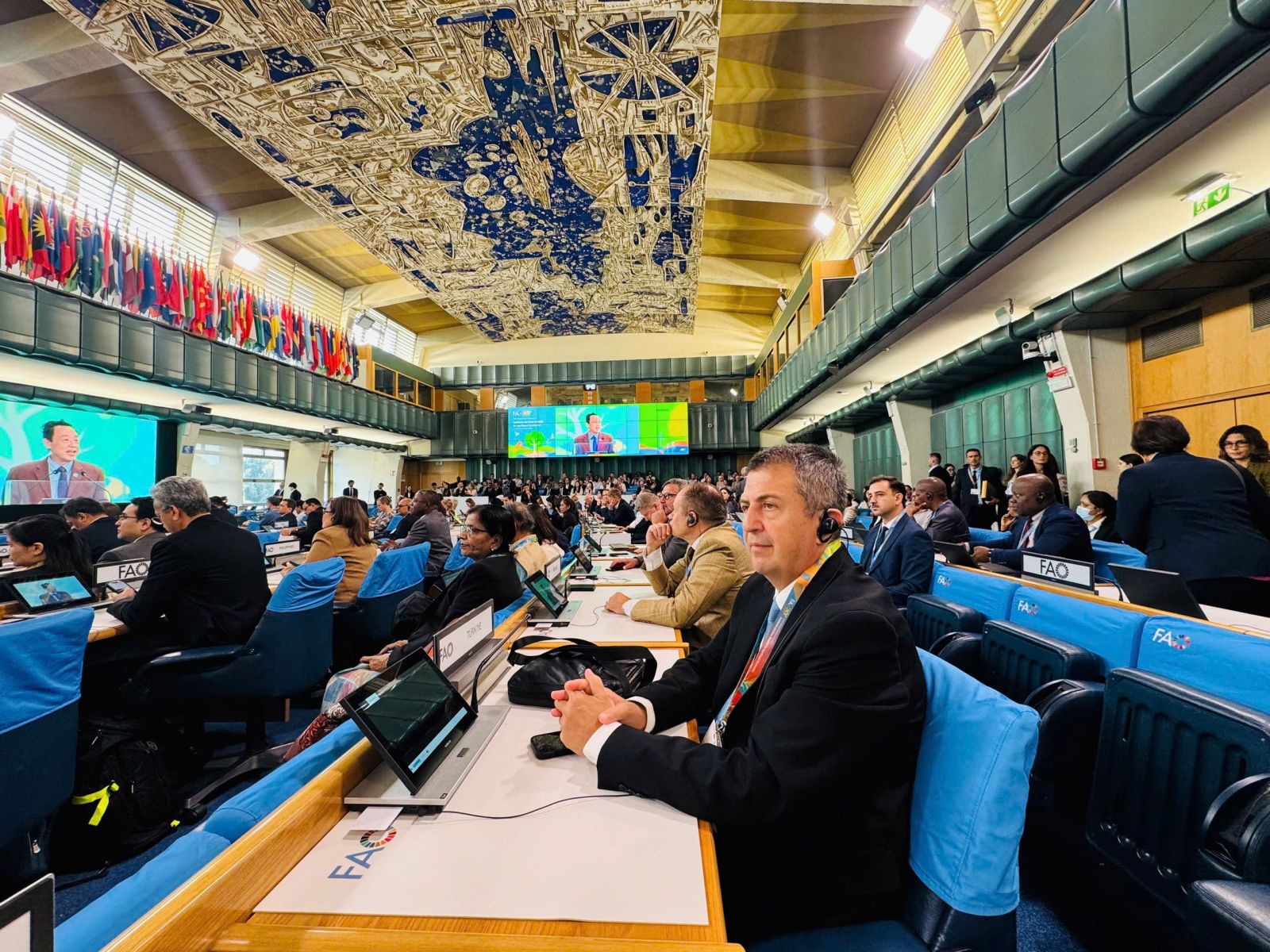
The high-level panel “Advancing One Health Actions Together” demonstrated that One Health cannot be delivered by government authorities alone.
Italy shared its experience in strengthening cooperation between the agriculture and health sectors in animal health management, biosecurity, antimicrobial use reduction and animal welfare. Cabo Verde approached One Health from the specific perspective of a small island country, where water, land, agriculture, fisheries, oceans and food security are directly interconnected. China shared its experience in promoting science and technology innovation, circular livestock production and antimicrobial reduction in production systems.
A representative of the private sector, Danone, highlighted the role of businesses in transforming agrifood systems. Through its “One Planet, One Health” approach, the company emphasized that the private sector can support farmers in transitioning to more resilient production systems, provide appropriate technical solutions and incentives, develop better products and nutrition solutions, and mobilize investment for the transformation.
Meanwhile, a representative from the research community in India raised a very practical issue: the gap between universities, laboratories and the everyday realities of people and farmers. Science will not generate impact if it remains confined to classrooms or research papers. Scientists need to go where solutions are needed and bring knowledge to farms and communities.
The Conference is structured as a roadmap from awareness to action. The first day focuses on “One Health for Better Production: Overall Health for Everyone,” with an emphasis on building healthy production systems encompassing soil, crops, livestock, ecosystems and people.
The second day moves towards ecosystem resilience, emergency preparedness and response, sustainable livelihoods, governance and partnerships, while also discussing the role of international standards and data in One Health decision-making.
The third day focuses on a decisive issue: investing in One Health at scale. Sessions will address sustainable finance, public–private partnerships, innovation, resource mobilization and how to bring effective initiatives from pilot scale to larger-scale implementation.
The Conference therefore goes beyond saying, “We need to work together,” and takes the discussion one step further: What are we working together for? How will we do it? Who will implement it? Where will the resources come from? And how will we measure the results?
For Viet Nam, the messages emerging from Rome provide important opportunities to further strengthen the One Health approach while linking it more closely with the country’s transformation of agrifood systems.
First, Viet Nam can continue to institutionalize One Health in governance, ensuring meaningful engagement from the health, agriculture, environment, science and technology, education sectors, local authorities and international partners. The experiences shared at the Conference show that an effective mechanism does not necessarily require additional layers of institutions. More importantly, it requires clear roles and responsibilities, mechanisms for information sharing, and shared accountability for results.
Second, One Health needs to move from the national level to localities, communities, production areas and food chains, where risks actually emerge. This is also where One Health intersects with the transformation of agrifood systems: soil health, water, crops, livestock, fisheries, food safety, the environment and livelihoods need to be viewed as part of the same system.
Third, Viet Nam can make greater use of the knowledge platforms, data, assessment tools and international cooperation mechanisms being developed by FAO and its partners to strengthen forecasting, surveillance and early warning capacities, thereby shifting more strongly from response to prevention.
Finally, One Health should be viewed as an opportunity for investment and resource mobilization, rather than merely a technical task. When objectives related to health, food safety, sustainable agriculture, antimicrobial resistance reduction, environmental protection, climate change adaptation and people’s livelihoods are connected within a common framework for action, resources from government budgets, international organizations, the private sector and climate finance mechanisms can be directed more effectively.
The final message from the opening session can be captured in one sentence: “One Health succeeds when everyone acts together.”
In Rome, the world is moving from a phase of building awareness and commitments towards a new phase – a phase of action, investment and measurable change. This means moving from individual initiatives to shared outcomes; from post-crisis response to prevention; and from pilot programmes to system-wide transformation.
And along this journey, no country, sector, organization or business can act alone. As emphasized by high-level leaders at the Conference: “If you want to go fast, go alone. If you want to go far, go together.”
“One Health in Agrifood Systems is everyone’s health, everyone’s responsibility and everyone’s action.” This is the call from Rome and an opportunity for Viet Nam to continue moving One Health from commitment to action, from action to investment, and from successful models to system-wide transformation.