


2026-06-23 22:04:49
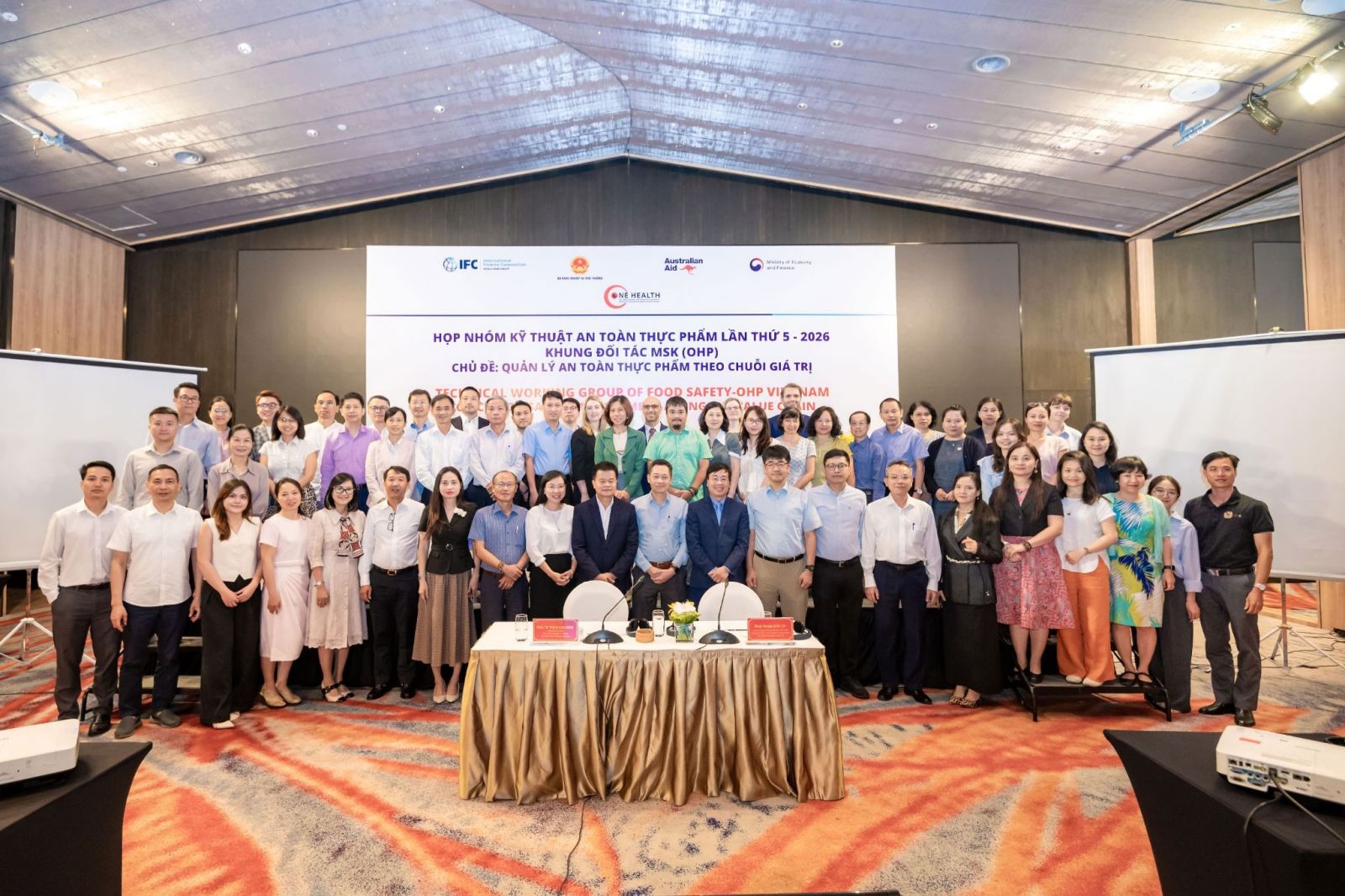
Hanoi, June 23, 2026 – The 5th meeting of the Food Safety Technical Working Group (FSTWG) within the framework of the Vietnam One Health Partnership (OHP) was held in Hanoi with the theme "Food Safety Management along the Value Chain".
The meeting was co-chaired by the National Institute for Food Control (NIFC), Ministry of Health, and the International Finance Corporation (IFC), with support from the Governments of Australia and the Republic of Korea, under the rotating mechanism of the FSTWG. The event saw the participation of representatives from the Ministry of Health, the Ministry of Agriculture and Environment, the Ministry of Industry and Trade; specialized units under various ministries and sectors; international organizations such as IFC, FAO, WHO, UNICEF, and ILRI; representatives from the Embassies of the United States, Ireland, Japan, Australia, New Zealand, France, Denmark, and Italy; as well as industry associations, domestic and international enterprises, experts, and scientists working in the fields of food safety, agriculture, and public health.
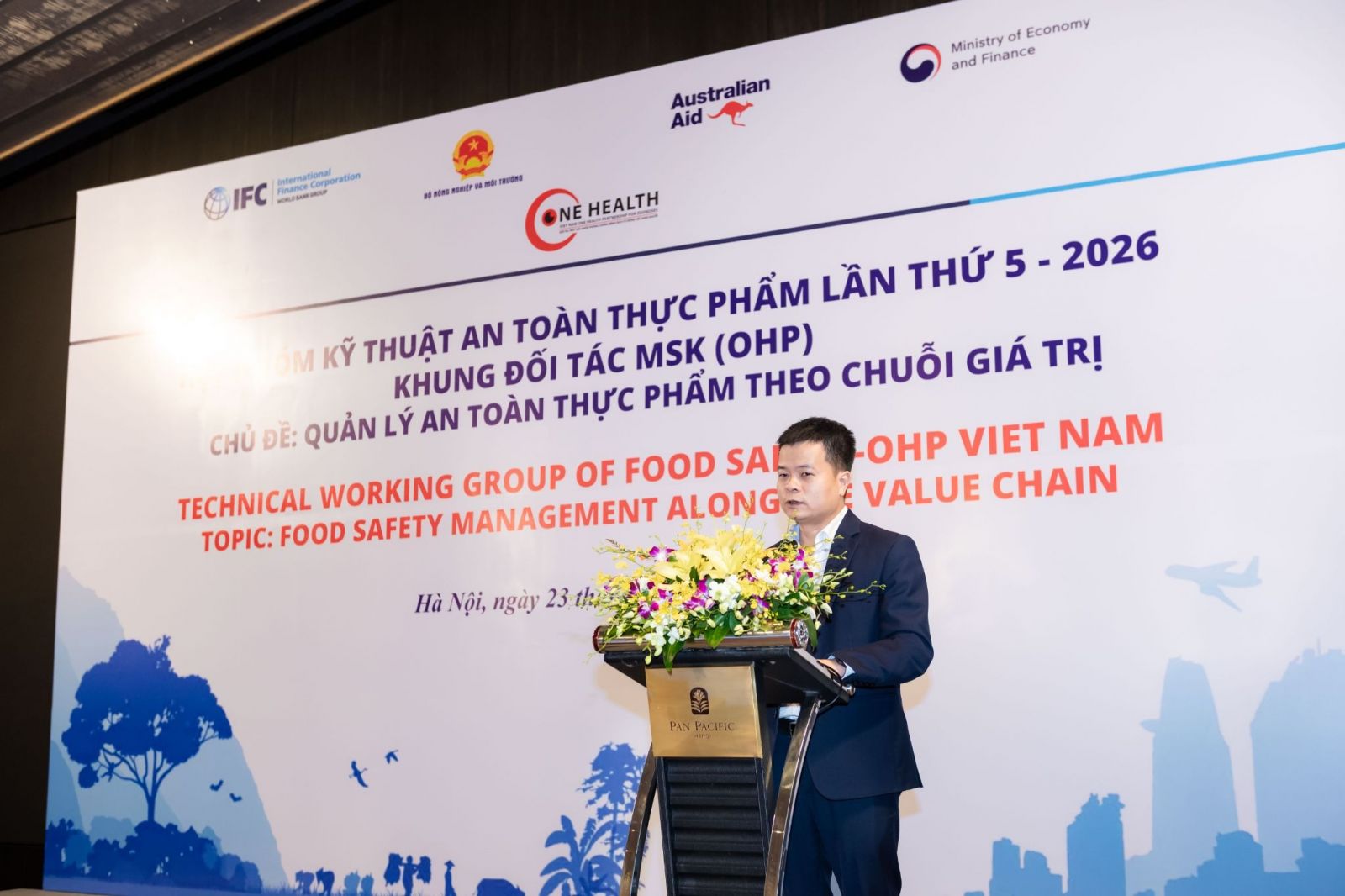
In his opening remarks, Assoc. Prof. Dr. Tran Cao Son, Deputy Director of the National Institute for Food Control, emphasized that food safety is a fundamental factor in protecting public health, contributing to socio-economic development and enhancing the competitiveness of Vietnam’s agricultural sector. He stated:
"Food safety is no longer an issue confined to a single industry or a specific stage in the food production chain. In the context of increasingly complex and cross-sectoral risks, we must shift strongly from a product-end control approach to a risk-based management approach throughout the entire food value chain, grounded in scientific evidence and close coordination among stakeholders."
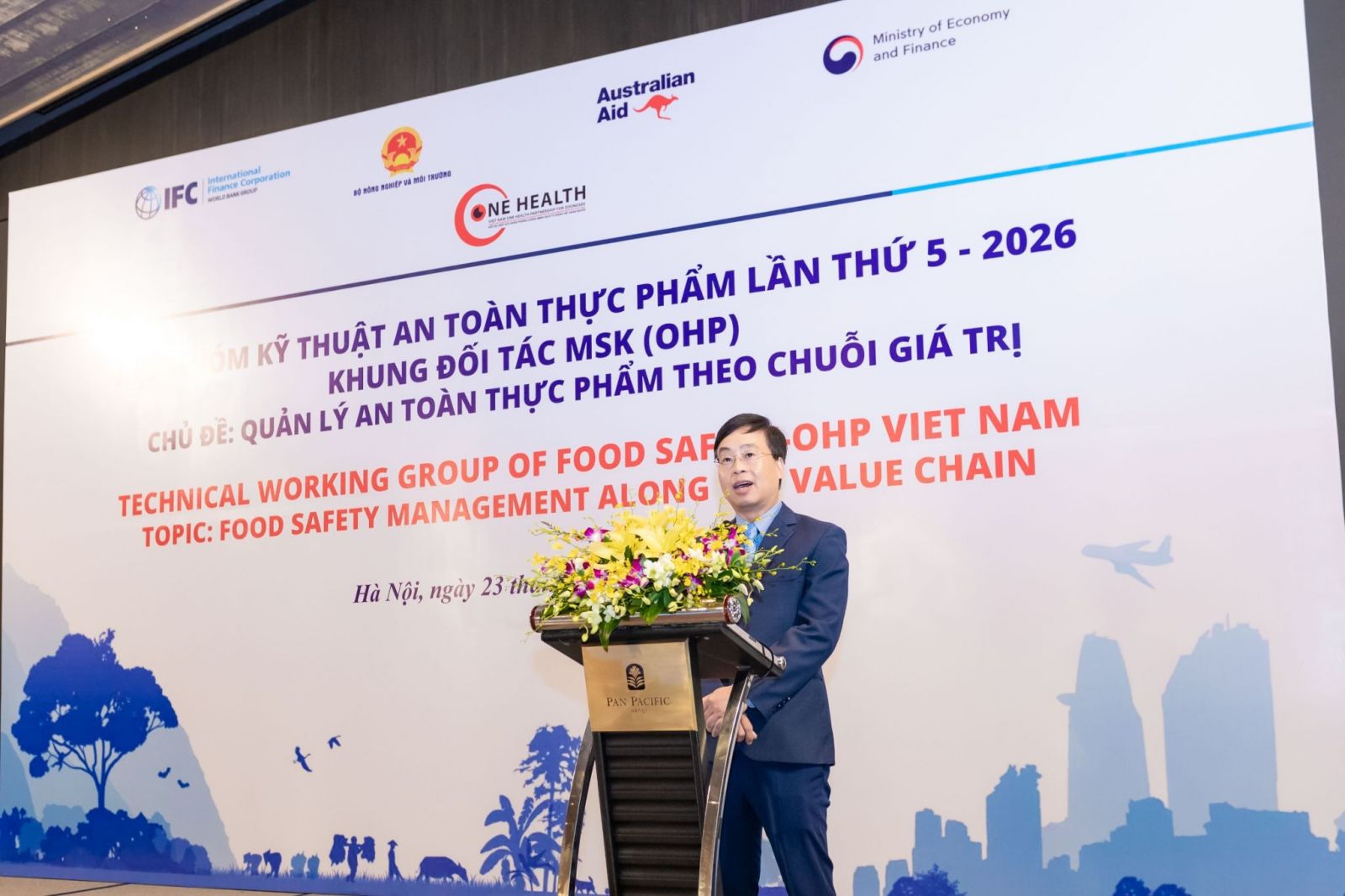
Co-chairing the meeting, Mr. Pham Duc Uy, Operations Officer, Vietnam Safe, ESG/Sustainable Agri-Food Systems & Forestry Technical Assistance and Project Development, International Finance Corporation (IFC), affirmed:
“Food safety is a shared responsibility that requires a holistic, cross-sectoral, and multi-disciplinary approach, involving all stakeholders from farm to table.”
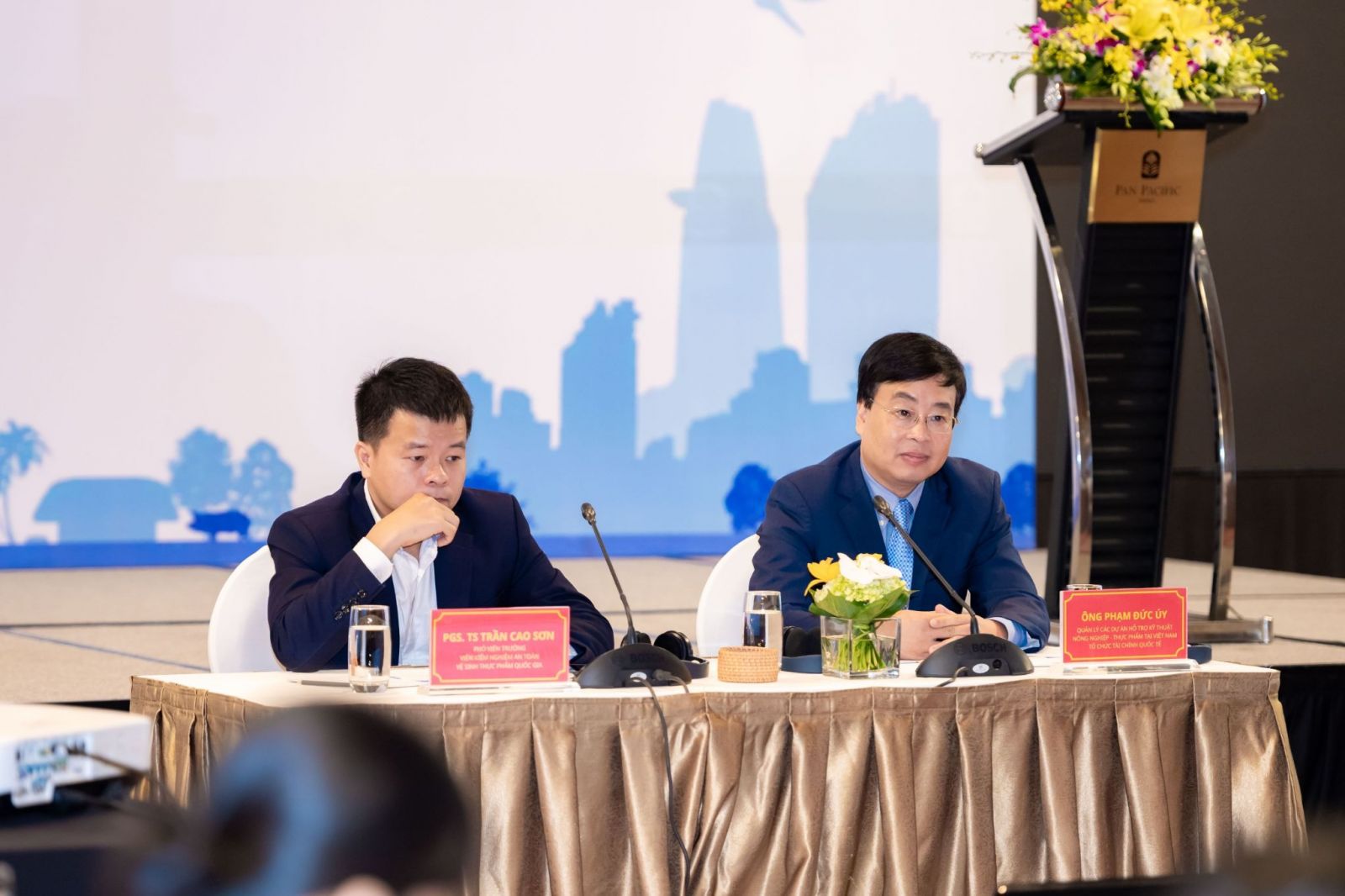
At the meeting, delegates discussed emerging risks and challenges in food safety management in Vietnam; chain-link models for safe food production and consumption; digital transformation solutions for traceability and food safety risk management; and updated ongoing initiatives, projects, and collaborative activities under the One Health Partnership framework.
Discussions indicated that current food systems are facing increasingly complex risks arising at various stages of the value chain. Consequently, transitioning from end-product inspection methods to risk management across the entire value chain is considered an inevitable trend to ensure more effective and sustainable food safety.
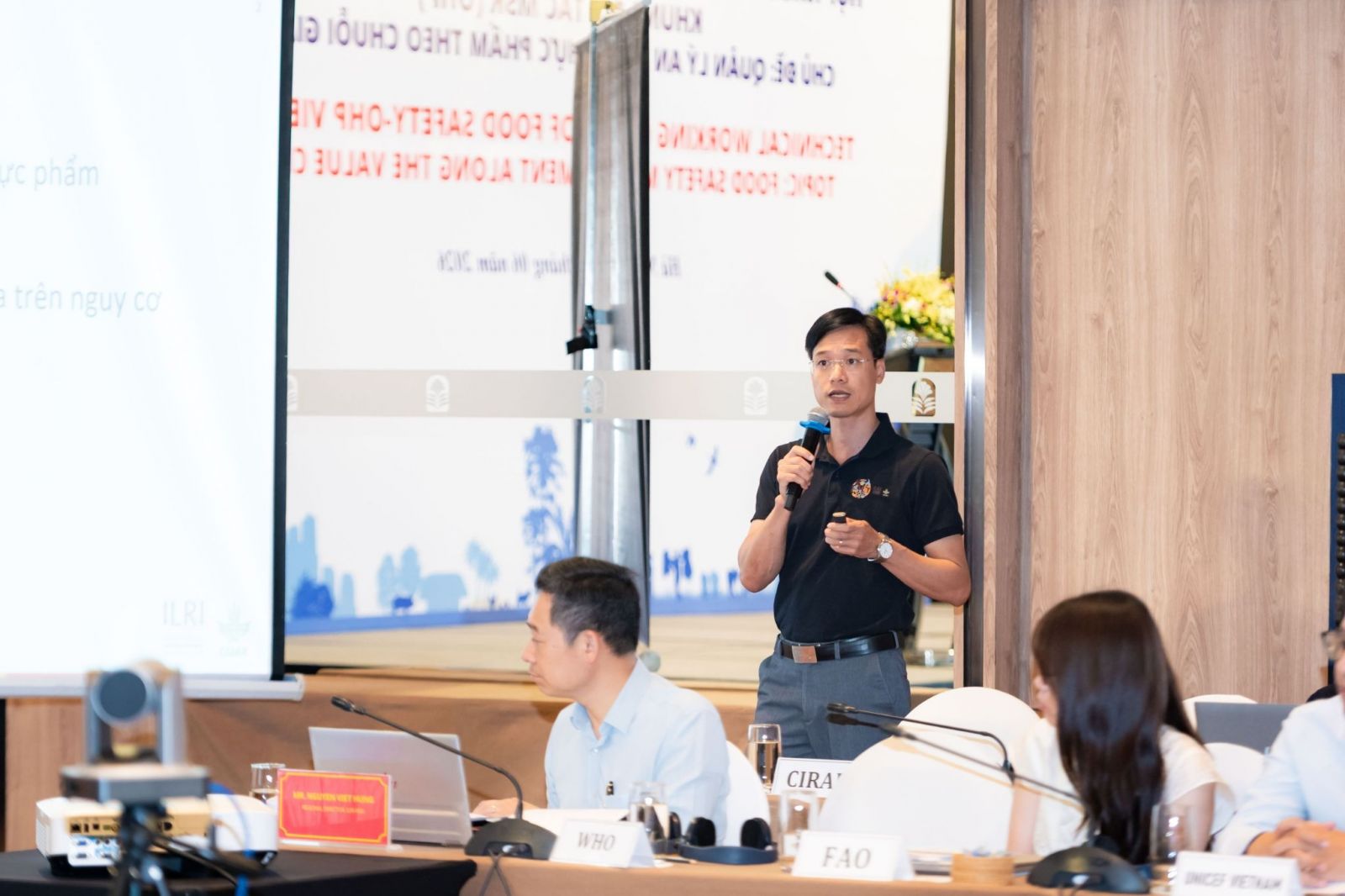
Many delegates underscored the vital role of chain-link models connecting producers, cooperatives, food processors, distribution systems, and consumers. Experience shows that only when stakeholders in the chain share information, responsibilities, benefits, and risks can a safe food system be established that meets the increasingly high demands of both domestic and international markets.
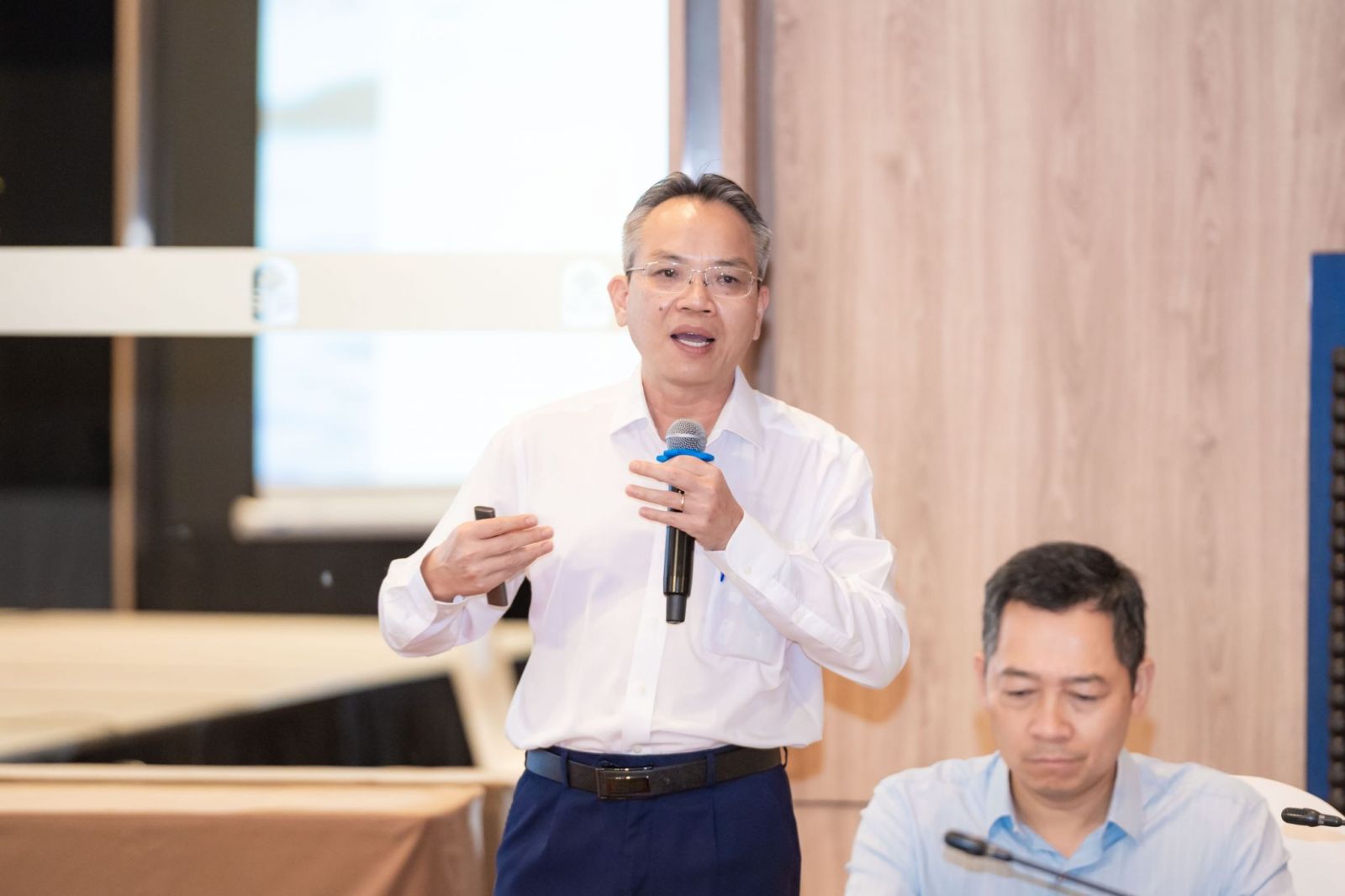
Experiences shared at the meeting also highlighted that traceability is becoming a mandatory requirement for many food and agricultural export industries. The application of digital platforms, QR codes, electronic databases, and modern management tools not only enhances supply chain transparency but also assists regulatory agencies and businesses in detecting, isolating, and rapidly addressing food safety risks.
A topic of particular interest to delegates was the role of digital transformation in food safety management. Digital solutions introduced at the meeting demonstrated significant potential in connecting data across value chain stages, improving traceability, enhancing real-time risk management, and strengthening consumer confidence in safe food.
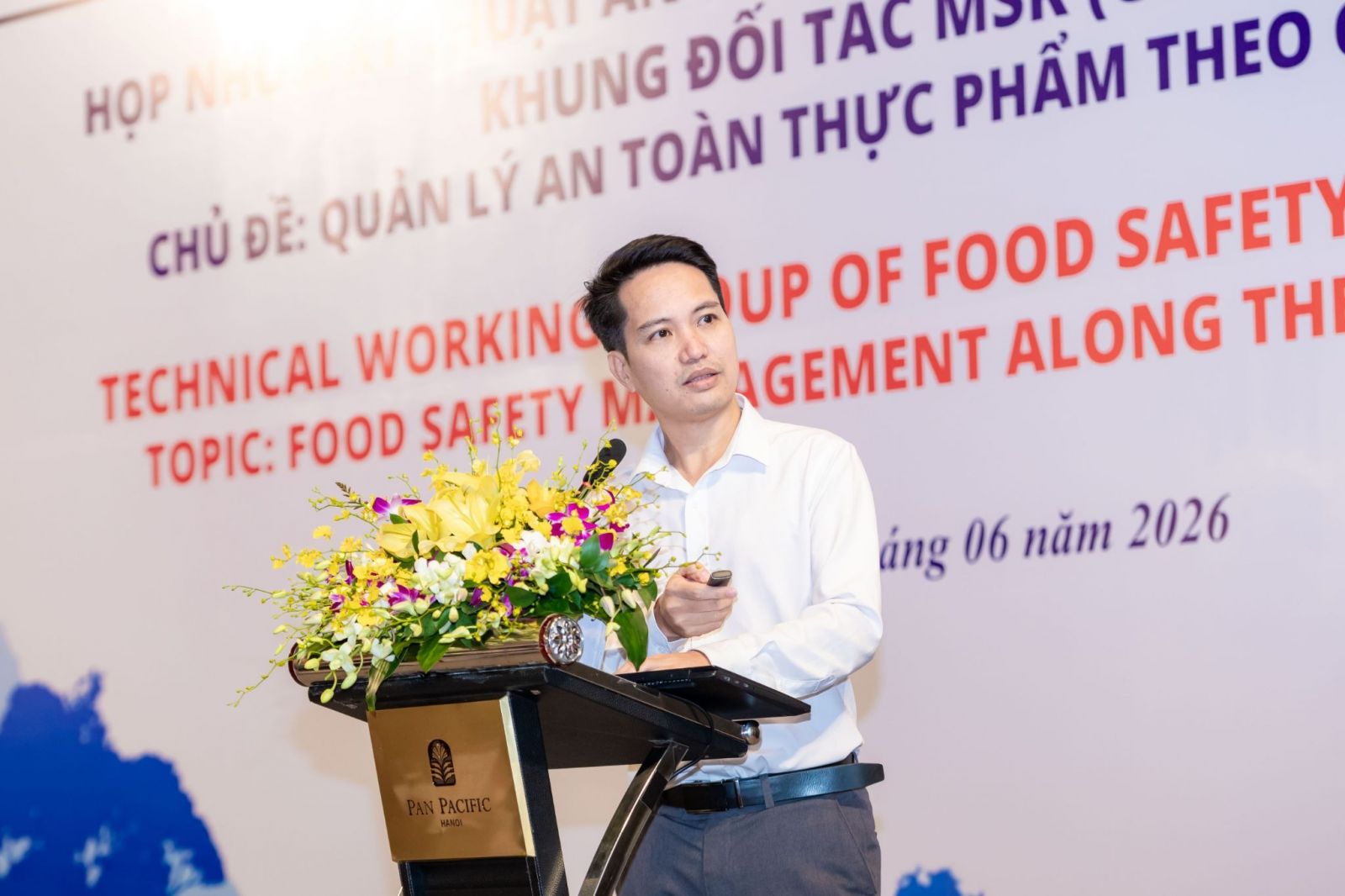
The panel discussion on "From Farm to Table: Strengthening Traceability and Value-Chain Collaboration for Food Safety Risk Management" recorded frank exchanges from management agencies, industry associations, enterprises, and international organizations. Delegates analyzed difficulties in food traceability, limitations in the linkages between production, processing, distribution, and consumption, as well as policy priorities to be promoted in the coming period.
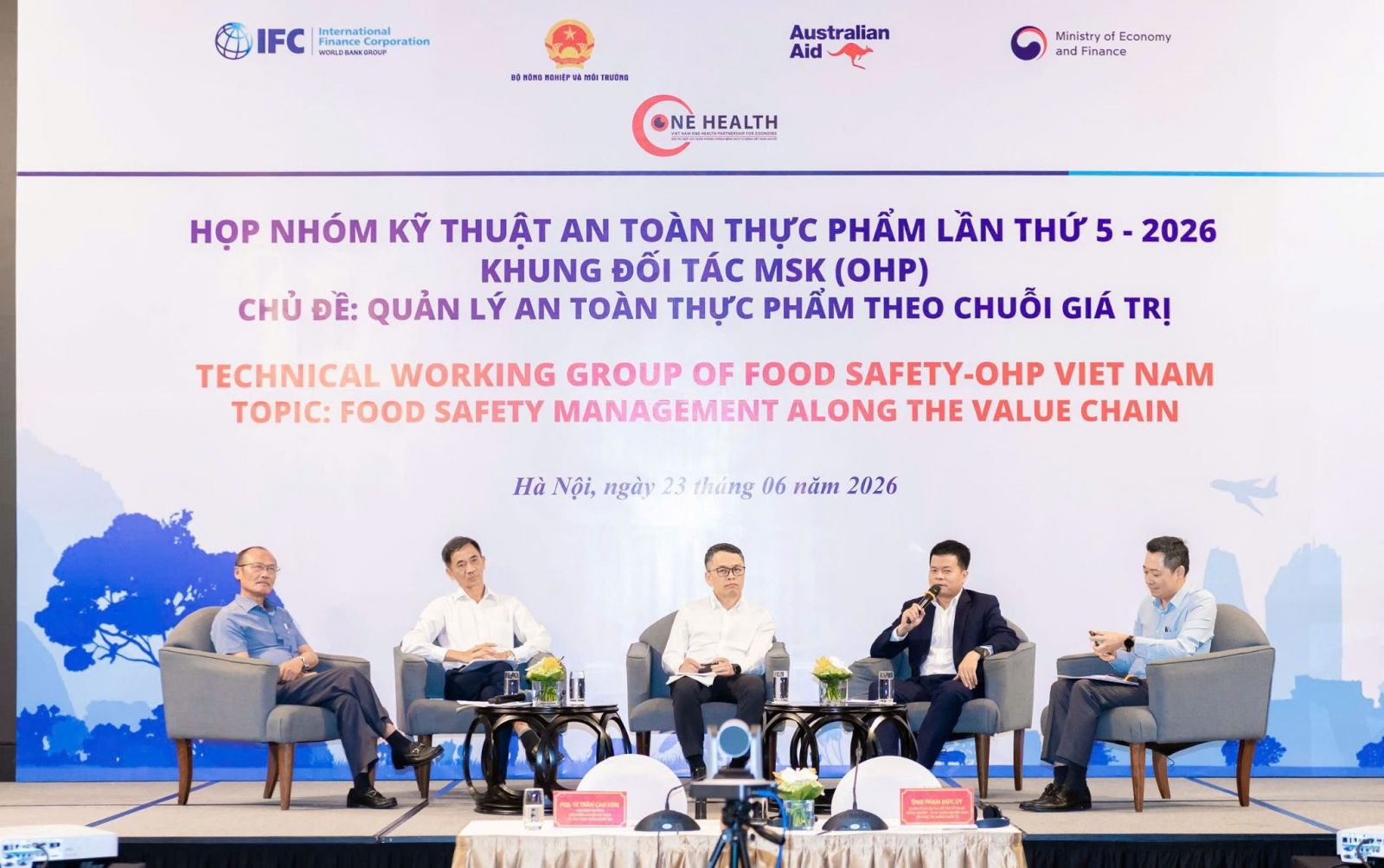
Delegates reached a consensus that while traceability is an important tool for enhancing food safety risk management efficiency, it is not the ultimate objective. The core goal remains protecting human health, ensuring food safety and disease control, and developing a sustainable food system.
Addressing the meeting, Mr. Nguyen Viet Hung, Asia Regional Director of the International Livestock Research Institute (ILRI), co-chair of the FSTWG, highlighted:
"Food safety is one of the fields that most clearly demonstrates the value of the One Health approach. Food-related risks do not stop at the boundaries between human health, animal health, and the environment. Therefore, strengthening cross-sectoral coordination, data sharing, and promoting science-based solutions are prerequisites for building a safe and sustainable food system."
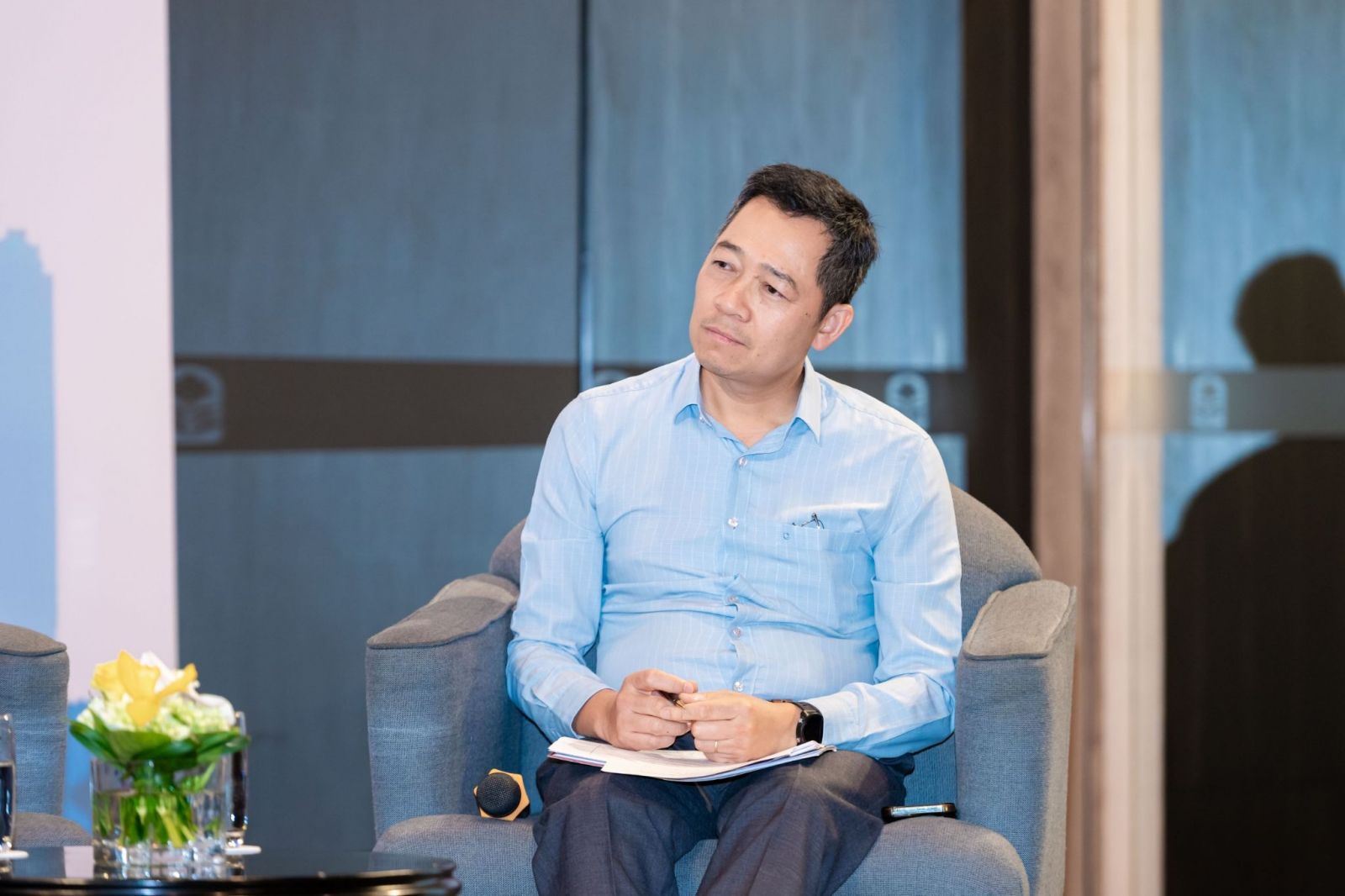
Concluding the meeting, delegates agreed on priority directions for the near future, including: strengthening capacity for risk assessment, surveillance, and early warning based on scientific evidence; promoting the development of safe food value chains; accelerating digital transformation and traceability; enhancing data sharing among regulatory agencies and stakeholders; and continuing to consolidate cross-sectoral coordination mechanisms under the One Health approach.
In his closing remarks, Assoc. Prof. Dr. Tran Cao Son affirmed:
"Traceability, digital transformation, and chain linkages are all important tools; however, the foundation of the food safety system must remain science-based risk management and the compliance of all actors in the value chain. Only when all parties act together can we build a safe, transparent, and sustainable food system for the people of Vietnam."
The 5th meeting of the FSTWG reaffirmed the role of the Vietnam One Health Partnership as a crucial multi-sectoral cooperation forum, promoting policy dialogue, knowledge sharing, and resource mobilization to address cross-sectoral food safety challenges. The outcomes and recommendations from this meeting will continue to be translated into concrete cooperation programs and practical actions by members and partners in the time ahead.
About the Vietnam One Health Partnership (OHP)
The Vietnam One Health Partnership is a multi-sectoral cooperation mechanism between agencies of the Government of Vietnam and development partners aimed at enhancing coordination in combating zoonotic diseases, antimicrobial resistance, food safety, and other cross-sectoral health challenges. The Food Safety Technical Working Group is one of the specialized technical groups of the OHP, serving to promote professional exchange, experience sharing, and support the development of food safety management solutions based on the One Health approach.